Stories • sep 22, 2026
Her Daughter's Birth Certificate Named Someone Else. What One Family's Story Shows About Parentage Laws.
When Delaney was born, her birth certificate listed someone else as her parents.
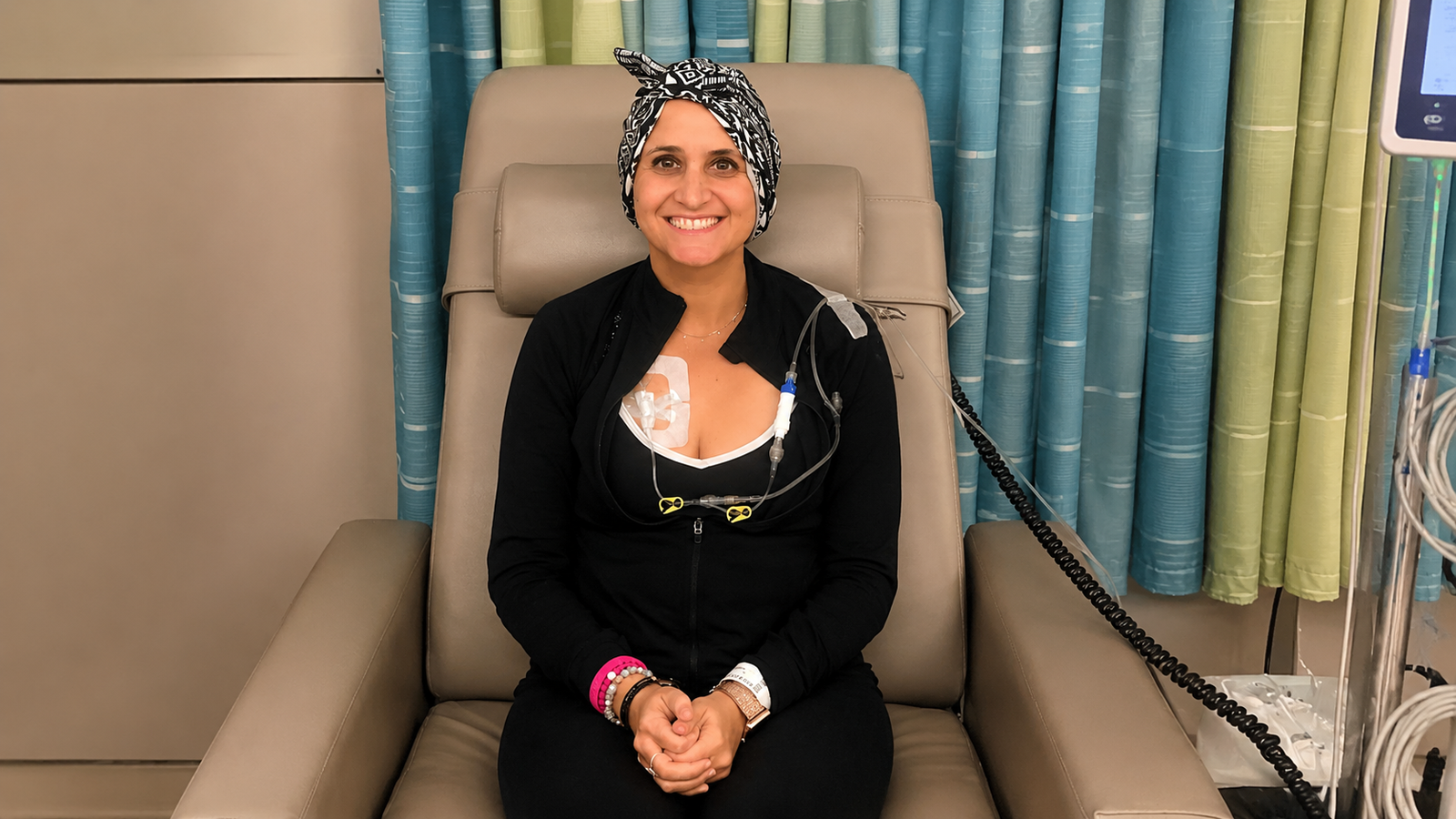
Her mom, Rachael Lang, was diagnosed with breast cancer at 26, less than a year after her wedding. After treatment, she froze her eggs, and a close friend offered to carry for her. Delaney arrived in 2023.
Then came a different kind of waiting.
Rachael's story was recently featured in USA Today, in a piece that also includes our fractional CMO, Mariam Shahab. We want to spend a little more time with it here, because it shows something most people never see about surrogacy: the journey doesn't end at birth if the law hasn't caught up.
Two years to become her daughter's legal parent
Under Michigan law at the time, intended parents couldn't enter into enforceable surrogacy agreements. That meant Rachael and her husband had to adopt their own biological daughter after she was born.
It took two years.
In the first weeks, before they were granted guardianship, they couldn't make medical decisions for Delaney or add her to their health insurance. Over the following two years, they spent thousands of dollars on attorneys and court fees. They couldn't take her out of state. Child Protective Services made regular visits to their home, a standard part of the adoption process that added real anxiety for a family already caring for their newborn.
Nothing went wrong in their journey. Their friend carried Delaney, Delaney was healthy, and the family was ready. The law just hadn't caught up to how their family was built.
Same family, different law
In 2024, Michigan passed the Michigan Family Protection Act, decriminalizing compensated surrogacy and updating how parentage is established for families built through assisted reproduction.
Rachael's family is now expecting their second child this winter, carried by a different friend. This time, their contract is more thorough and offers stronger protections for everyone involved, including their carrier and her family. And this time, they have a pre-birth order, which means they won't need to adopt their own child.
Same family. A much different law. A completely different start.
Why legal parentage matters beyond paperwork
It's easy to think of parentage as a formality. For families living without it, it touches almost everything.
As Patience Crozier of GLBTQ Legal Advocates & Defenders (GLAD Law) explained in the article, a legal parent-child relationship is what allows parents to put a child on their health insurance, qualify for parental leave, enroll a child in school, and make medical decisions. Without it, each of those becomes a question mark.
That's why this isn't only a surrogacy issue. The same gaps can affect children born through IVF, donor conception, and adoption, and children in LGBTQ+ families.
A patchwork of state laws
There is no single national standard for parentage. Each state sets its own rules, and they vary widely.
The Uniform Parentage Act (2017) is a model law that accounts for children born through assisted reproduction and surrogacy, and advocates point to it as a strong blueprint. But states decide for themselves whether to adopt it, and many haven't.
Stephanie Jones, founder of the Michigan Fertility Alliance, knows what that patchwork costs. When her family turned to surrogacy, Michigan offered no parentage protections, so they worked with a clinic in Oregon and their daughter was born in Kentucky. Her experience helped spark the push to update Michigan's law, and her organization continues working to expand access to fertility care across the state.
Families shouldn't have to cross state lines to be recognized as parents. Advocates across the political spectrum are working to change that, and Michigan shows those changes make a real difference in families' lives.
Why the words matter too
Laws are made of words, and so are contracts.
Mariam spoke with USA Today about a term that still shows up in some surrogacy agreements: "surrogate mother." It's outdated, and it can create discomfort for gestational carriers and intended parents alike. More importantly, it can blur the one thing that needs to be clear from the start: who a child's parents are.
That's why at TSF we use "gestational carrier" or "surrogate." It isn't about being precious with language. It's about making sure the words in a family's paperwork match the family itself.
As Mariam put it: "We should be making it safer for people to build their families."
Where The Surrogacy Foundation stands
We believe no family should spend years waiting for the law to recognize them.
When parentage is settled before a baby arrives, everyone is protected: the child, the intended parents, and the carrier and her family. Rachael's second journey shows what that looks like in practice.
Stories like hers rarely make headlines, but they show the gaps still worth closing. We're grateful to the families willing to share their experiences, and to partners like State Strong, GLAD Law, and the Michigan Fertility Alliance who are working to make sure more families start with clarity instead of a court date.
Frequently asked questions
What is legal parentage?
Legal parentage is the legally recognized relationship between a parent and a child. It determines who can make medical decisions for a child, add them to health insurance, enroll them in school, and take parental leave. In surrogacy, parentage laws decide whether intended parents are recognized as a child's parents at birth or must take additional legal steps afterward.
What is a pre-birth order?
A pre-birth order is a court order issued before a baby is born that establishes the intended parents as the child's legal parents. In states that allow them, it typically means the intended parents can be listed on the birth certificate and make decisions for their baby from day one. Not every state offers pre-birth orders. Some use post-birth orders, and some have required adoption.
Do surrogacy parentage laws vary by state?
Yes. There's no single national parentage law in the U.S. Some states have adopted the Uniform Parentage Act (2017) or similar laws that clearly protect families built through surrogacy. Others have limited or outdated protections. If you're considering surrogacy, working with a reproductive law attorney licensed in the relevant state is essential.
What is the Uniform Parentage Act?
The Uniform Parentage Act is a model law that states can choose to adopt. Its 2017 version includes provisions for children born through assisted reproduction and surrogacy, and it's widely cited by advocates as a blueprint for modern parentage laws.
Is "surrogate mother" the correct term?
Most families and professionals now use "gestational carrier" or "surrogate." In gestational surrogacy, the carrier has no genetic connection to the baby, and "surrogate mother" can create emotional discomfort and confusion about who the child's legal parents are.
What changed in Michigan's surrogacy law?
In 2024, Michigan passed the Michigan Family Protection Act, which decriminalized compensated surrogacy and made it possible for intended parents to establish legal parentage without adopting their own child after birth.
This post is for general information and isn't legal advice. Parentage laws change, so talk with a reproductive law attorney in your state about your specific situation.
Keep following along
Every month, we share real stories from the families TSF supports: the milestones, the waiting, and exactly where the money goes. Join our story letter to follow along, or become part of the village with a monthly gift.
Read the full USA Today story: Her daughter was born via surrogacy. For 2 years, the state didn't recognize her as a mom