Stories • mar 20, 2026
Meghan Trainor, Singer-songwriter and Mother of three, whose youngest child was born via surrogacy.
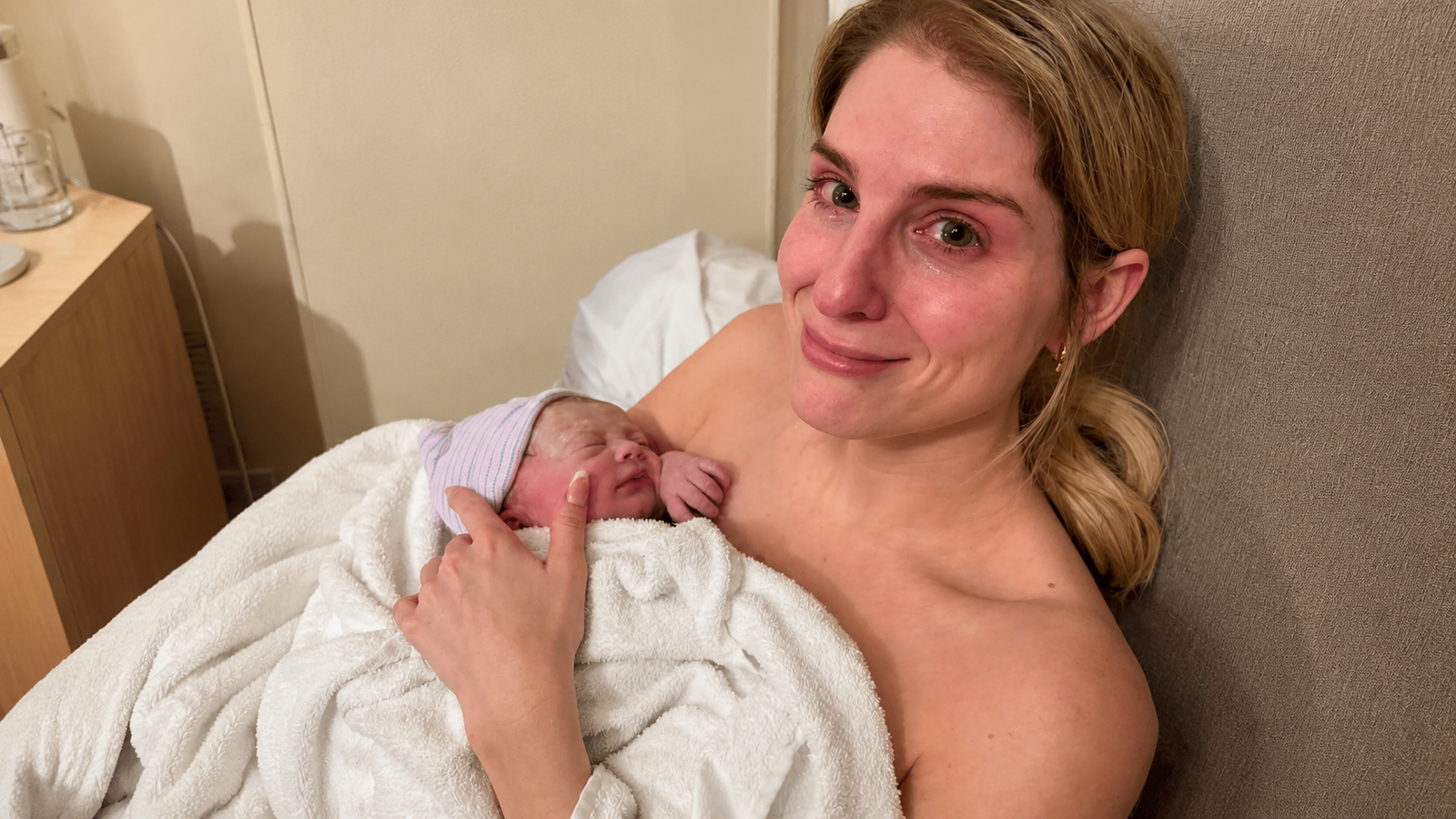
After difficult, traumatic pregnancies, Grammy winner Meghan Trainor and Daryl Sabara welcomed their daughter through a gestational surrogate.
“Usually you’re being sewn up thinking, ‘We did it. Look at my baby.’ But I was lying there alone. I was so drugged up I called my mom while she cried, asking if I was okay. I had to learn how traumatic that was.” Meghan Trainor once recalled when speaking about the emotional aftermath of a difficult birth experience, as she shared in a People interview.
The Grammy-winning singer had already become a mother twice with her husband, actor Daryl Sabara. But those pregnancies were not easy. Complications during earlier births, including time in the NICU and the emotional toll that followed, changed how Trainor thought about future pregnancies and recovery.
As the couple began talking about expanding their family again, the conversation shifted toward medical safety.
Doctors and specialists helped guide them through the options. After what Trainor described as “endless conversations” with her medical team, the couple ultimately decided that gestational surrogacy would be the safest path forward for their family.
On January 18, 2026, Trainor and Sabara welcomed their daughter, Mikey Moon Trainor, through a gestational surrogate.
After Trainor shared the news publicly, the response was not entirely supportive. Some online reactions questioned the decision or criticized the use of surrogacy, reflecting the stigma that still surrounds the path to parenthood for many families.
In announcing the birth, Trainor expressed deep gratitude to the surrogate and medical teams who helped make the journey possible. She also addressed the conversation surrounding surrogacy directly, reminding people that building a family can take many forms.
“Surrogacy is just another beautiful way to build a family,” she said. “It’s not something to whisper about or judge.”
Trainor’s story reflects a reality many families quietly experience: the decision to pursue surrogacy often comes after long conversations about health, recovery, and what it takes to safely grow a family.